
Counterfeit culture
Written by Max Crowland
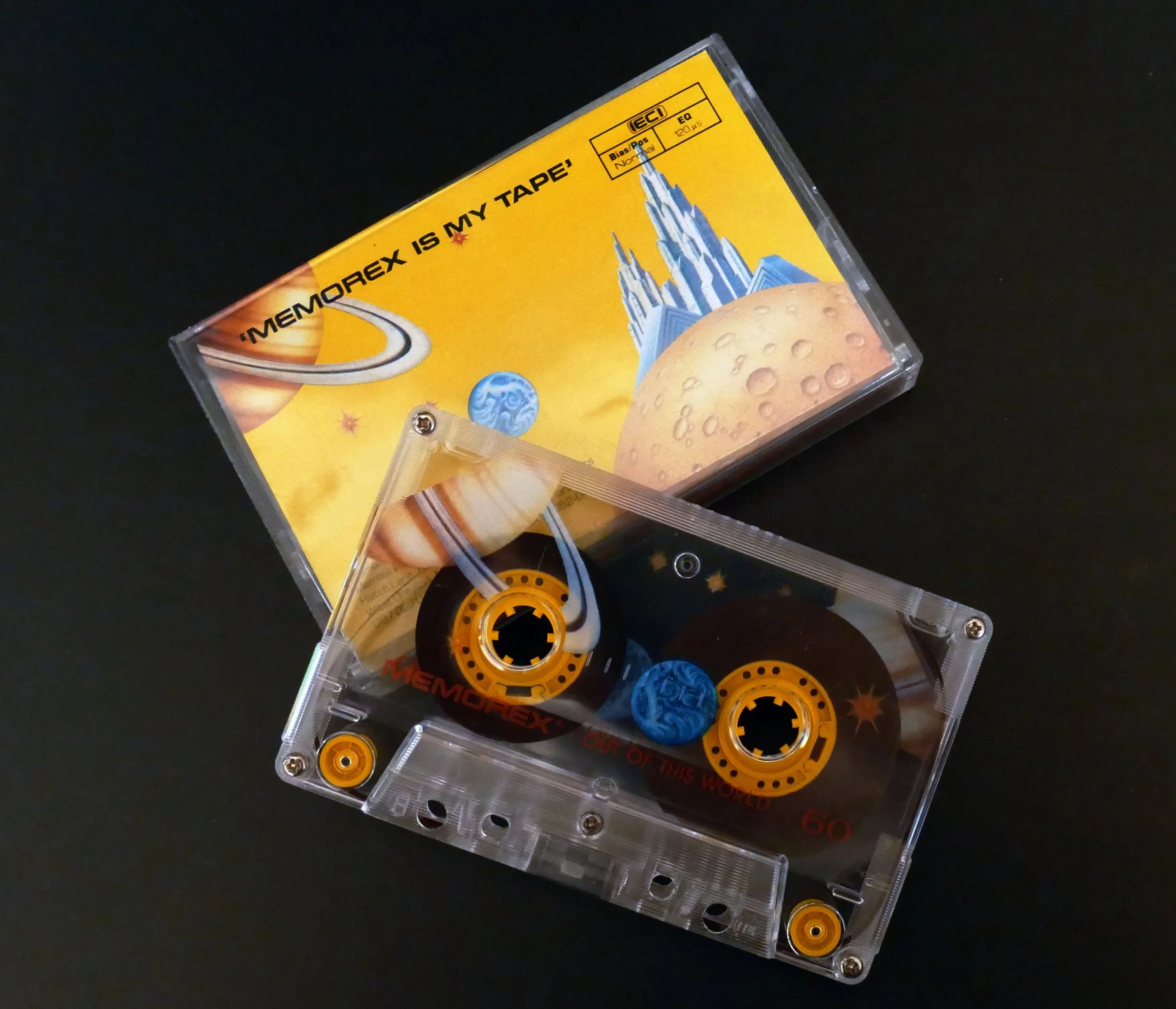
If life towards the end of the 20th century was as bland as Blur claimed in their 1993 album, Modern Life Is Rubbish, then why is every middle-class guy in London trying to recreate it?
It’s not just the lads on Instagram playing dress-up as they sing about ‘splitting the G’. Reunion tours from Pulp, Blur and Oasis, Adidas draping Jude Bellingham in trefoil tracksuits and pairs of Predators as they try and create a David Beckham V2.0, and copious amounts of cocaine being taken in pubs across the country all indicate a nationwide nostalgia for the 1990s. The difference this time being that the demographic revelling in it now wasn’t there to experience it the first time.
One reason you’re seeing so many diet Damon Albarns in the cafes of Clapham could be what Patrick Metzger calls The Nostalgia Pendulum, a theory that trends, aesthetics and art resurface in 30-year cycles. Anecdotal evidence stacks up in support of Metzger’s hypothesis. In the 2010s, we saw 1980s cultural references infiltrate the mainstream with the first series of Stranger Things and Nike putting out some hovershoes straight out of Back to the Future. Even the 2020’s decade du jour found its inspiration from 30 years earlier: Blur getting their influences from The Kinks, Oasis from The Beatles, and all of them sporting mod moptops on their heads.
If this 30-year cycle is the seed from which past trends grow back into the modern zeitgeist, then the homogenisation of culture caused by our algorithm overlords has put the process in a growbag - turning tiny seeds into Japanese Knotweed, growing exponentially and reaching an audience far greater than they ever originally had. TikTok has completely eradicated the barriers to entry that allowed sub-cultures to form in the past, which is why we now see people from West Virginia sporting Charlton Athletic football shirts in their ‘blokecore’ OOTDs. These two phenomena working in tandem create vast audiences for big businesses to sell their wares.
At face value, innocent nods to the past and celebrating high points of British culture is no bad thing. However, brands, record labels and fast fashion houses know that nostalgia sells – anyone who’s seen Mad Men probably debated scouring eBay for a Kodak Carousel after Don Darper’s nostalgia infused ad pitch – they also know what way the pendulum is swinging and how large these audiences are.
So, rather than simply celebrating the art and fashion of the past, low quality rehashings, remakes and imitations are churned out with the sole intention of getting the consumer to part with their cash, adding to an overflowing sea of content and products that drowns real creativity and originality – the very qualities that made the culture we are copying so desirable in the first place.
“There is perhaps a no more cynical example of this commodification of culture than– bear with me - this year’s Newcastle United away shirt.”
The shirt is for all intents and purposes a remake of their 1995/96 away shirt. The Saudi Arabian state-owned club and kitmakers Adidas have been handed the perfect pastures on which to feed a behemoth cash cow. The original shirt is iconic, both the way it looks and the team that wore it, nicknamed the entertainers. The dream of looking anywhere near as good as David Ginola did wearing his is enough to sell bucketloads. Add to this the 30-year nostalgia cycle, fuelled by the fact that your young Newcastle fan who was enamoured with the original is now going to be in their mid-30s with disposable income, and you have eyes in Riyadh, Saudi Arabia and Herzogenaurach, Germany, lit up with pound signs.
That being said, there are two main differences between the 1990s original and the modern-day remake. The first is the sponsor. Not only did the original Newcastle Brown Ale sponsor just look right, it was representative of who it was for – Geordies. The prime real estate of the front of shirt sponsor for a premier league team is a lucrative business. With the matches beamed worldwide, the people in charge can’t waste precious space on Newcy Brown.
In its place now is SELA, also coincidentally owned by the Saudi state. I have no idea what it is that SELA sells, but I’m sure you can’t get a pint of it in a Newcastle pub. The other difference is of course the price. In 1995, you would be paying shy of £30 for a replica football shirt. This year’s version will cost you at least £80. What started as a cult appreciation of a design classic of the past, and the culture it symbolised, has had every penny squeezed out of it until we are left with a watered-down version to appease the masses, for over double the price, with profits going to the oppressive Saudi state. PARKLIFE!
The irresistible value of nostalgia is apparent again in the Oasis reunion. With 1990s pining at fever pitch (and a recent Noel Gallagher divorce), the timing has never been more right to set aside a bitter feud – not even when Manchester came together to raise money for the victims of a terrorist attack in the city – and cash in. Another reason people might be nostalgic for the 1990s is that ticketmaster.co.uk didn’t exist. The website’s surge pricing system came into its own for its shareholders - unprecedented demand meaning some paid up to £350 for their ticket – over 10 times the amount a ticket to one of the band’s historic 1996 shows in Knebworth would have cost you, at the peak of their powers and when Liam Gallagher still had a voice. No longer a British subculture, ubiquitous shortform videos of Liam and Noel in Berghaus cagoules beamed across the world means the only barrier to experiencing this piece of Britpop revisionist history is how much cash you have, hammered home by the fact that 7.5 million more people attempted to get UK tickets to the 2025 tour than Knebworth 1996.
Yet again, ‘consumers’ are made to pay hugely inflated prices for a lower quality ‘product’ – no one could argue seeing a group of 50-year-old men past their best is worth £350, but that’s not what people are paying for, they’re paying to capture a feeling of nostalgia that has been marketed to them and that doesn’t really exist. You can’t put a price on that.
So, if Damon Albarn could produce a full LP on what was so rubbish about modern life in 1993, then he could write a double album box set on 2025. But I can’t imagine he’ll bother. His record label will probably just re-release a ‘remastered’ version of the original for five times the price. Oh wait, they already have.